Politics is a domain where power, ideology, and governance intersect to shape societies and impact lives. It is a realm characterized by debate, policy-making, and the often tumultuous dynamics of public opinion. At first glance, politics and fashion might seem to operate in entirely different spheres, with politics focusing on governance and social issues, and fashion concerned with aesthetics and personal style. However, a closer examination reveals intriguing intersections between these fields, particularly when exploring the influence of sartorial choices such as Designer Jackets for Men, the concept of a yard of deals, and the tailored approach of Designer Jackets Men for Men.

The Role of Fashion in Politics
Fashion in politics is far from a superficial consideration; it plays a crucial role in shaping public perception, conveying political messages, and influencing the image of political figures. The clothes worn by politicians can reflect their values, status, and even their political stances.
- Symbolism and Power: Throughout history, political figures have used clothing to project authority and status. For instance, the tailored suits of 20th-century politicians like John F. Kennedy and Winston Churchill were more than just fashion statements—they were symbols of their power and professionalism. Similarly, the robes of judges and the ceremonial attire of monarchs carry deep symbolic meaning, reinforcing their roles and the gravity of their positions.
- Political Statements: Fashion can be a powerful tool for making political statements. Think of how the suffragettes used white, purple, and green to symbolize their struggle for women’s voting rights, or how the pink pussy hats worn during the Women’s March in 2017 became a symbol of resistance and solidarity. Politicians and activists alike have leveraged fashion to make bold statements and draw attention to their causes.
- Public Perception: The way politicians dress can influence public perception and affect their electoral success. A well-tailored suit can project confidence and competence, while a more casual or eccentric style might appeal to different voter demographics. For example, the choice of more casual attire by figures like Bernie Sanders or Alexandria Ocasio-Cortez often resonates with younger, more progressive voters who value authenticity over traditional polish.
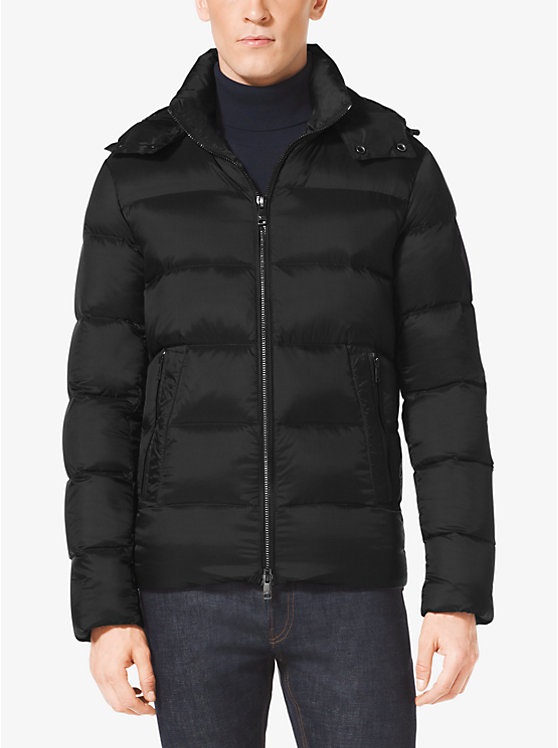
Designer Jackets for Men: A Case Study in Political Image
Designer Jackets for Men offer a compelling lens through which to examine the intersection of fashion and politics. These high-end garments are not just about style; they represent a blend of luxury, sophistication, and often, political and social statements.
- Elegance and Authority: A well-crafted designer jacket can convey elegance and authority, aligning with the image that many political leaders wish to project. High-quality materials, meticulous craftsmanship, and a sleek design can enhance a politician’s public image, reinforcing their position of power and influence. This is evident in how figures like Barack Obama and Emmanuel Macron often opt for bespoke suits and tailored jackets that enhance their authoritative presence.
- Cultural and Social Significance: Designer jackets also reflect broader cultural and social trends. For instance, the popularity of bomber jackets and leather jackets can sometimes be linked to movements or subcultures that have political undertones. The adoption of such styles by public figures can be seen as a way to align with or distance themselves from certain social groups or ideologies.
- Impact of Brand: The brand of a designer jacket can carry its own political connotations. Wearing a high-profile designer label can symbolize affluence and alignment with elite circles, while choosing more understated or emerging brands might signal a different kind of political or social affiliation.

The Concept of a Yard of Deals: Fashion and Accessibility
The concept of a “yard of deals” relates to finding high-quality fashion items at discounted prices. This idea highlights a broader conversation about accessibility and inclusivity in fashion, which intersects with political themes around economic equality and social justice.
- Economic Accessibility: The yard of deals represents a democratization of fashion, where high-quality garments are accessible to a broader audience. This concept resonates with political discussions about economic accessibility and social equity. Politicians and policymakers often address issues of economic disparity, and the availability of affordable designer fashion can be seen as part of a broader effort to make luxury goods accessible to different social strata.
- Consumer Culture and Politics: The rise of outlets and discount shopping has also influenced consumer culture and political discourse. The ability to purchase designer items at reduced prices can be seen as a response to issues of economic inequality, offering more people the chance to engage with high fashion without the associated high costs. This aligns with political arguments for increased access and fairness in various sectors of society.
- Environmental and Ethical Considerations: The concept of a yard of deals also intersects with political issues related to sustainability and ethical consumption. The fashion industry faces scrutiny over its environmental impact and labor practices. Discounted fashion items can sometimes be associated with overproduction and waste, raising questions about the ethics of fashion consumption and the responsibility of both consumers and policymakers in addressing these issues.

Designer Jackets Men for Men: Tailoring Political Identity
The tailored approach of Designer Jackets Men for Men underscores the growing trend towards personalization and specialized design in fashion. This trend reflects broader political themes of identity, representation, and individualism.
- Personalization and Identity: Designer jackets tailored specifically for men reflect the importance of personal identity in both fashion and politics. Just as tailored garments can enhance an individual’s personal style and confidence, personalized political strategies and messaging can resonate more deeply with specific voter demographics. Politicians who tailor their messages and policies to address the concerns and identities of various groups can build stronger connections with their constituents.
- Representation and Inclusivity: The trend towards designing fashion specifically for men also mirrors broader conversations about representation and inclusivity in politics. Ensuring that diverse groups are represented and their needs are addressed is crucial for effective governance. Similarly, fashion that caters to different styles, body types, and preferences reflects a commitment to inclusivity and representation.
- Cultural Reflection: The design and marketing of jackets for men can also reflect cultural and societal values. For instance, the embrace of certain styles or trends can signal changing attitudes towards masculinity, gender roles, and cultural norms. Politicians who align themselves with or challenge these cultural trends through their fashion choices can influence and reflect societal attitudes.

Political Figures and Their Fashion Choices
Examining the fashion choices of various political figures provides insight into how clothing can influence political image and public perception.
- Margaret Thatcher: The former British Prime Minister was known for her sharp, tailored suits, which reinforced her image of authority and competence. Her choice of conservative and professional attire helped establish her as a formidable leader in a male-dominated political landscape.
- Jacinda Ardern: The Prime Minister of New Zealand has been noted for her approachable and practical style, often choosing outfits that reflect her commitment to accessibility and down-to-earth leadership. Her fashion choices underscore her focus on empathy and relatability, which have been central to her political persona.
- Donald Trump: The former U.S. President’s signature look of tailored suits and red ties became emblematic of his brand. His fashion choices often sparked debate and became part of his larger-than-life persona, illustrating how clothing can contribute to a political figure’s identity and public image.
Conclusion
In conclusion, the intersection of politics and fashion reveals a rich tapestry of influence and expression, where sartorial choices can shape political perceptions and convey broader social messages. Designer Jackets for Men, the concept of a yard of deals, and the tailored approach of Designer Jackets Men for Men offer intriguing perspectives on how fashion intersects with political identity and public discourse.
Fashion is not merely about aesthetics; it is a powerful tool for expressing values, signaling status, and making political statements. By examining how political figures use fashion to project authority, align with social trends, and address economic and cultural issues, we gain a deeper understanding of the multifaceted relationship between politics and personal style. As both fields continue to evolve, their intersections will likely offer new insights into the ways we express and perceive power, identity, and social change.

 Manish Varma Politics Blog